
What Are Combination Products? Understanding the Regulatory Challenges
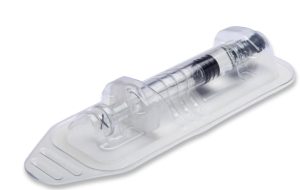
Combination products are becoming increasingly important in modern healthcare, bringing together pharmaceutical products, medical devices and, in some cases, biological components to deliver more effective and convenient treatment options.
From pre-filled syringes and drug-eluting stents to inhalers and wearable drug delivery systems, these products play an increasingly significant role in patient care.
However, combining different technologies into one product also creates regulatory, manufacturing and quality challenges that companies must carefully manage.
What Is a Combination Product?
A combination product generally incorporates two or more different types of healthcare products, such as a medicinal product and a medical device, into a single therapeutic solution.
Common examples include:
- Pre-filled syringes and injection pens
- Drug-eluting stents
- Inhalers and drug delivery devices
- Transdermal patches containing medicinal substances
- Implantable devices that deliver medication
- Connected devices designed to administer and monitor treatment
These products are developed to improve drug delivery, enhance patient experience, support treatment adherence and provide more effective therapeutic solutions.
Why Are Combination Products Becoming More Important?
The growing demand for personalised medicine, home-based treatment and advanced drug delivery technologies is driving innovation in combination products.
Pharmaceutical companies are increasingly working with medical device manufacturers to develop integrated solutions that offer benefits beyond traditional medicines or standalone medical devices.
This creates new opportunities for innovation but also requires closer collaboration between pharmaceutical, engineering, manufacturing and regulatory teams.
Key Regulatory Challenges
One of the main challenges for combination products is determining the applicable regulatory framework.
Depending on the product’s characteristics, intended purpose and principal mode of action, different regulatory requirements may apply.
Companies must consider:
1. Regulatory classification
Determining whether a product is primarily a medicinal product or a medical device is an essential first step. Classification influences the regulatory pathway, conformity assessment and evidence requirements.
2. Quality management
Manufacturers must establish appropriate quality systems covering both pharmaceutical and medical device aspects, including design controls, manufacturing processes, risk management and supplier oversight.
3. Clinical and performance evidence
Combination products may require evidence demonstrating the safety and effectiveness of the medicinal component, as well as the safety and performance of the device component and their interaction.
4. Risk management
Companies must assess risks associated with both components and their interaction. These may include dosing errors, device malfunction, compatibility issues, contamination and user-related risks.
5. Post-market surveillance and vigilance
Once a product reaches the market, manufacturers must monitor its safety and performance, manage complaints and ensure that appropriate reporting and corrective actions are implemented.
The Importance of Collaboration
Successful combination product development requires collaboration between pharmaceutical manufacturers, medical device companies, notified bodies, regulatory authorities and specialist service providers.
Regulatory, quality, clinical and engineering teams need to work together from the early development stages to identify potential issues and avoid costly delays later in the product lifecycle.
Early regulatory planning and a clear understanding of the applicable requirements can make a significant difference to successful product development and market access.
Looking Ahead
As drug delivery technologies continue to evolve, combination products are expected to play an increasingly important role in healthcare innovation.
Companies that understand the regulatory landscape and integrate quality, safety and compliance considerations into their development strategies will be better positioned to bring innovative products to market.
Join the Discussion at ReCAP2027
The European Conference on Regulatory Affairs for Combination Products (ReCAP2027) will bring together professionals from pharmaceutical companies, medical device manufacturers, regulatory organisations and specialist service providers.
Taking place on 24–25 February 2027 in Brussels, Belgium, the conference will provide an opportunity to discuss current regulatory challenges, share industry experience and explore developments in combination products.
Join us in Brussels and be part of the conversation.
View the programme and register for ReCAP2027
